Improving Your Cash Flow in Your Small Business Without Loans

Joshua Parsley • October 21, 2025
Boost Your Small Business Cash Flow – No Loans Needed

How to Improve Cash Flow in Your Small Business Without Loans

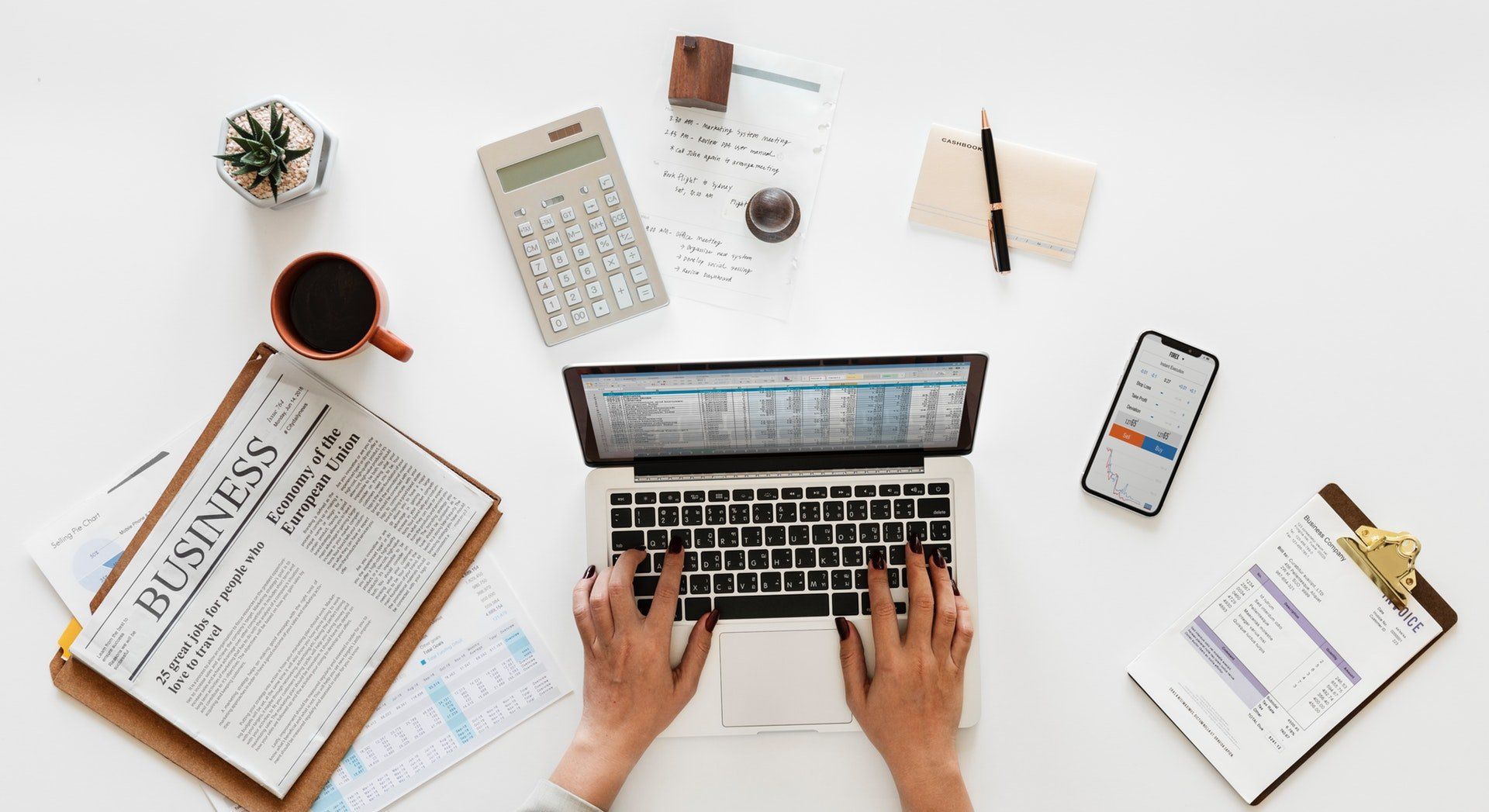
Small business owner reviewing cash flow statement

Cash flow is the lifeblood of every small business. When it’s steady, you can cover expenses, pay yourself, and plan for growth. But when cash flow gets tight? Stress levels skyrocket.

The good news? You don’t need to take out a loan to improve your cash flow. With a few smart adjustments, you can free up cash, stay ahead of bills, and breathe easier every month.

Here’s how to get started:

1. Tighten Up Your Invoicing Process
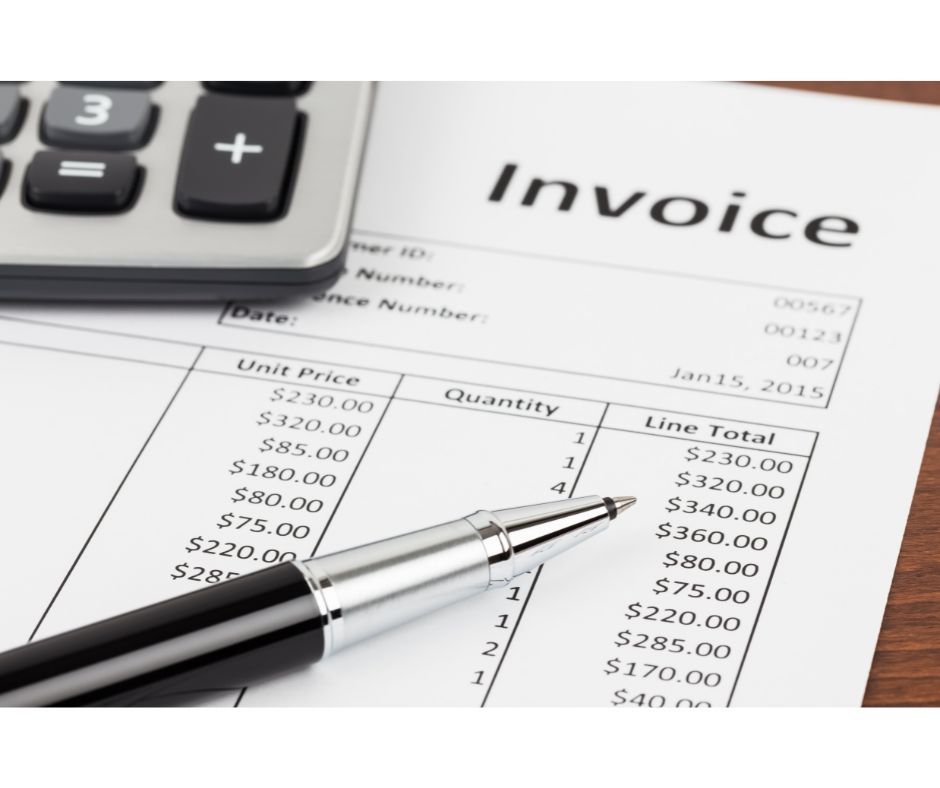
QuickBooks Online invoice being created

Slow invoicing leads to slow payments. If you wait a week (or even a few days) to send invoices, you’re delaying your own payday.

  • Send invoices immediately after work is completed.
  • Use accounting software like QuickBooks Online Invoicing to automate reminders.
  • Set shorter payment terms (for example, “Net 15” instead of “Net 30”).
  • Offer digital payment options like ACH, debit, or credit card — so clients can pay faster.

💡 Pro Tip: Add late fees for overdue invoices. It encourages timely payment without chasing clients down.

2. Review and Cut Unnecessary Expenses

Many businesses lose hundreds (even thousands) every year on auto-renewing subscriptions, software you rarely use, or services that don’t bring a real return.

  • Is this expense essential to operations or growth?
  • Can I negotiate or downgrade this plan?
  • Am I paying for tools that overlap in function?

Even trimming $100–$300 a month adds up to thousands per year back into your pocket.

3. Improve Your Cash Flow Forecasting

Cash flow forecast chart example

You can’t fix what you can’t see. A cash flow forecast helps you anticipate when money will come in — and when it’ll go out.

When you know what’s ahead, you can plan for dips before they happen. For guidance, check out the U.S. Small Business Administration cash flow guide.

4. Negotiate with Vendors

Don’t be afraid to ask for better terms. Many vendors are willing to offer:

  • Extended payment deadlines (Net 45 or 60)
  • Early payment discounts (2% off if you pay within 10 days)

These small tweaks can ease your short-term cash flow without hurting relationships.

5. Speed Up Your Accounts Receivable

If you’ve got unpaid invoices sitting around, your cash is being held hostage. Here’s how to free it up:

  • Send friendly reminders before invoices are due.
  • Follow up the day after due dates pass.
  • Offer incentives for early payments.
  • Consider deposits or retainers for future work.

6. Optimize Your Pricing and Payment Structure

Sometimes the problem isn’t lack of sales — it’s underpricing. Review your rates at least once a year to make sure they reflect your time, value, and rising costs.

Consider breaking large projects into milestone payments. It helps you maintain steady cash flow instead of waiting for one final invoice.

7. Build a Cash Reserve (Even a Small One)

Building a cash reserve for small business

Start by saving a small percentage of each deposit — even 2–5%. Over time, this cushion becomes your built-in safety net.

8. Get Expert Help Tracking the Numbers

A professional bookkeeper can help you:

  • Identify where money leaks out
  • Set up systems for faster payments
  • Track spending to maximize profit
  • Build accurate cash flow forecasts

Learn how our professional bookkeeping services can help you gain clarity and confidence in your numbers.

Final Thoughts
Thank Heavens Bookkeeping logo – helping small businesses scale profits

Improving cash flow without loans isn’t about cutting everything to the bone — it’s about working smarter with what you already have. Stay organized, invoice quickly, and keep a close eye on spending.

Need help untangling your cash flow?

At Thank Heavens Bookkeeping, we help small business owners get control of their finances, so they can scale profits and gain time back.

👉 Grab your free DIY Bookkeeping Guide

Obtain Your Free DIY Bookkeeping Guide

I’ll send you a simple guide that will boost your business by gaining clairty of your numbers and bring peace of mind.

Get this FREE guide by subscribing below.

    We respect your privacy. Unsubscribe at any time.
    By Joshua Parsley February 2, 2026
    Need a New Accounting System? The Best Accounting Software Options for Small Business Owners Running a business already pulls you in a hundred directions. Your accounting system shouldn’t be one of them. If you’re constantly guessing where your money went, dreading tax time, or juggling spreadsheets that no longer make sense, it may be time to upgrade your accounting software for small business . Let’s break down the best options — and how to choose the right one without overcomplicating your life. 🚨 Signs You’ve Outgrown Your Current Accounting System Many business owners wait too long to upgrade. If any of these sound familiar, it’s time: You’re still using spreadsheets Bank accounts aren’t syncing correctly You don’t trust your profit numbers Invoicing and expenses feel manual and messy Tax time causes panic every year Accounting software should support your growth, not slow it down. 💻 Best Accounting Software for Small Business Owners 1. QuickBooks Online (Best All-Around Option) Best for: Small businesses planning to grow Why business owners love it: Easy bank syncing Clean profit & loss reports Scales with your business Works seamlessly with a professional bookkeeper QuickBooks Online is the most widely used cloud accounting software for small business, which makes it ideal if you ever plan to outsource bookkeeping or cleanup. 👉 Pro tip: Most bookkeeping firms (including mine) are built around QuickBooks for a reason. 2. Xero (Great Alternative to QuickBooks) Best for: Business owners who want clean reporting and integrations Pros: Strong reporting tools Good for inventory-based businesses Solid QuickBooks alternative for small business owners Cons: Fewer U.S.-based accountants support it compared to QuickBooks. 3. FreshBooks (Service-Based Businesses) Best for: Freelancers & service providers Pros: Excellent invoicing Time tracking built-in Simple interface Limitations: Not ideal for businesses with complex finances or inventory. 4. Wave (Budget-Friendly Option) Best for: Very small businesses or side hustles Pros: Free basic accounting Simple setup Cons: Limited reporting and scaling ability — most businesses outgrow it quickly. 🤔 How to Choose Accounting Software for a Small Business Ask yourself these questions before deciding: Will this software grow with my business? Does it integrate with my bank, payroll, and tax tools? Can a bookkeeper easily step in if needed? Will I actually understand the reports? The best accounting software for small business owners is the one that gives clarity — not confusion. ⚠️ Common Mistakes Business Owners Make Choosing software based only on price Overbuying features they’ll never use Setting it up incorrectly from day one Assuming software replaces bookkeeping expertise Software is a tool. It doesn’t replace strategy, accuracy, or experience. Accounting Software vs Hiring a Bookkeeper Here’s the truth most blogs won’t say: Accounting software doesn’t manage your finances — people do. Software: ✔ Tracks transactions ✔ Generates reports A bookkeeper: ✔ Ensures accuracy ✔ Fixes mistakes ✔ Interprets numbers ✔ Saves you time ✔ Helps you make better decisions The smartest business owners use both. Final Thoughts: Software Is Step One — Clarity Is the Goal Choosing the right accounting software for small business is a powerful step forward. But the real win comes when your books are accurate, up to date, and stress-free. If you want help setting up, cleaning up, or managing your accounting system so it actually works for you — that’s exactly what Thank Heavens Bookkeeping is here for. 👉 Clear books. Confident decisions. Time back where it belongs.
    By Joshua Parsley February 2, 2026
    What a Bookkeeper Does for Small Business Owners (And Why It Matters) 
    small business owner using QuickBooks Online at a desk
    By Joshua Parsley January 14, 2026
    Overwhelmed by QuickBooks Online? Learn where small business owners should start to gain clarity, control cash flow, and avoid costly mistakes.